
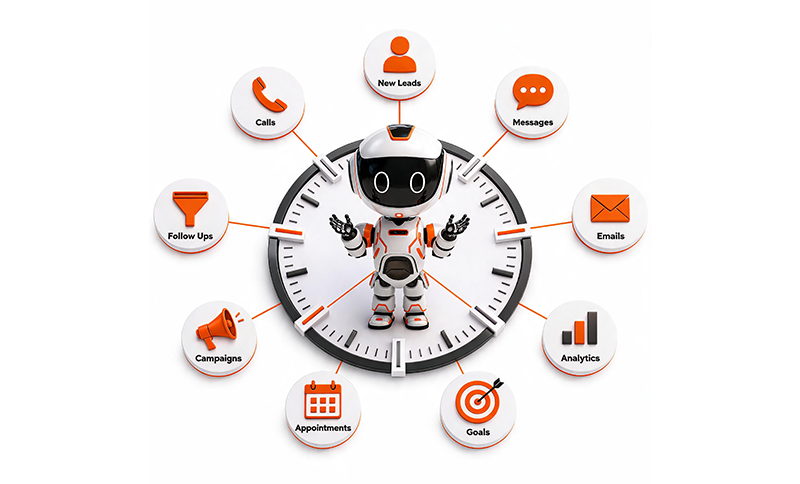

Sales lead management can make the difference between a growing sales pipeline and a team constantly trying to figure out where its next customer is coming from.
A lead comes in. Someone sends a follow-up. Another lead gets added to a spreadsheet. A promising prospect gets forgotten. Then someone asks, “Did anyone get back to them?”
Sound familiar?
The problem isn’t always a lack of leads. Sometimes, it’s the system used to manage them.
With the right systems in place, your team can spend less time searching for information, remembering follow-ups, manually updating records, and more time having meaningful conversations that move leads towards conversion.
Why Sales Lead Management Matters
Getting leads is only the beginning.
Once someone expresses interest in your business, what happens next matters just as much. If leads aren’t properly tracked, followed up, and prioritised, valuable opportunities can quickly go cold.
For example, a potential customer might:
- Submit an enquiry but receive a late response.
- Show interest but never receive a follow-up.
- Speak with different members of your team without consistent information.
- Remain in your pipeline without anyone knowing the next step.
As a result, your sales team may spend more time managing leads than actually selling to them.
Effective sales lead management helps create structure around the entire process.
The Right System Can Reduce Manual Work
Manual processes can work when a business has only a handful of leads.
However, as the business grows, keeping track of every prospect manually becomes increasingly difficult.
This is where automation can make a real difference.
Instead of relying on someone to remember every task, a well-designed system can help organise leads, trigger follow-ups, assign tasks, and keep customer information accessible to the right people.
That means your team doesn’t have to spend valuable time asking:
“What happened with this lead?”
They can focus on:
“What do we need to do next?”
From Lead Capture to Conversion
Good sales lead management isn’t simply about storing contact details. It’s about understanding where each prospect is in the customer journey.
A structured sales process can help your team move leads through stages such as:
New enquiry → Qualified lead → Follow-up → Proposal → Conversion
At each stage, your team should know:
- Who the prospect is
- What they need
- What conversations have already taken place
- What action is required next
- Who is responsible for it
Consequently, your sales process becomes easier to manage and much harder for opportunities to fall through.
Automation Helps Your Sales Team Focus
Not every sales task requires a person.
Sending routine follow-up emails, updating records, assigning leads, scheduling reminders, and organising customer information can often be automated.
That doesn’t mean removing the human element from sales.
It means giving your team more time for the human element that actually matters.
Your salespeople can spend less time on repetitive administration and more time understanding prospects, answering questions, building relationships, and closing opportunities.
Better Systems, Better Customer Experiences
There’s another benefit to effective sales lead management: your customers notice the difference.
Imagine making an enquiry and receiving a timely response. Then, when you speak to someone from the business again, they already understand your previous conversation.
That’s a very different experience from having to repeat yourself or wait days for someone to respond.
A well-connected system helps your team deliver a more consistent customer experience from the first interaction through to conversion.
The Goal Isn’t More Leads. It’s Better Lead Management.
Businesses often focus heavily on generating more leads.
Of course, having a healthy pipeline matters. However, generating more leads won’t solve a sales process that struggles to manage the ones it already has.
Before asking:
“How do we get more leads?”
It may be worth asking:
“Are we managing the leads we already have effectively?”
With the right systems, processes, and automation, your team can create a sales operation that is more organised, responsive, and scalable.
And ultimately, that means less time chasing leads and more time closing them.
Ready to Build a Smarter Sales Process?
Your sales team shouldn’t have to rely on spreadsheets, scattered information, and memory to manage opportunities.
The right technology can bring your leads, customer information, communication, follow-ups, and sales workflows together, giving your team a clearer path from first contact to conversion.
Stop spending your best sales hours chasing leads. Start giving your team the systems to close them.
Ready to make your sales process work smarter? Let’s talk.